
ENVIRONMENT SUPPORT
- Home
- Environment Support
With respect to the environmental consultancy RSL is specialized in:
- Environmental impact studies (starting document, IEE, EIA)
- Ecological surveys
- Environmental aspects of dredging, disposal, land reclamation and contaminated sediments
- Environmental aspects of cooling water intake and outfall
- Mitigating measures and compensation measures to protect the environment
- Environmental monitoring programs
- Environmental management plan (EMP)
- Environmental aspects for tender and contract documents
- Tender evaluation for the environmental aspects
- Evaluation of environmental monitoring results
- Sustainable development
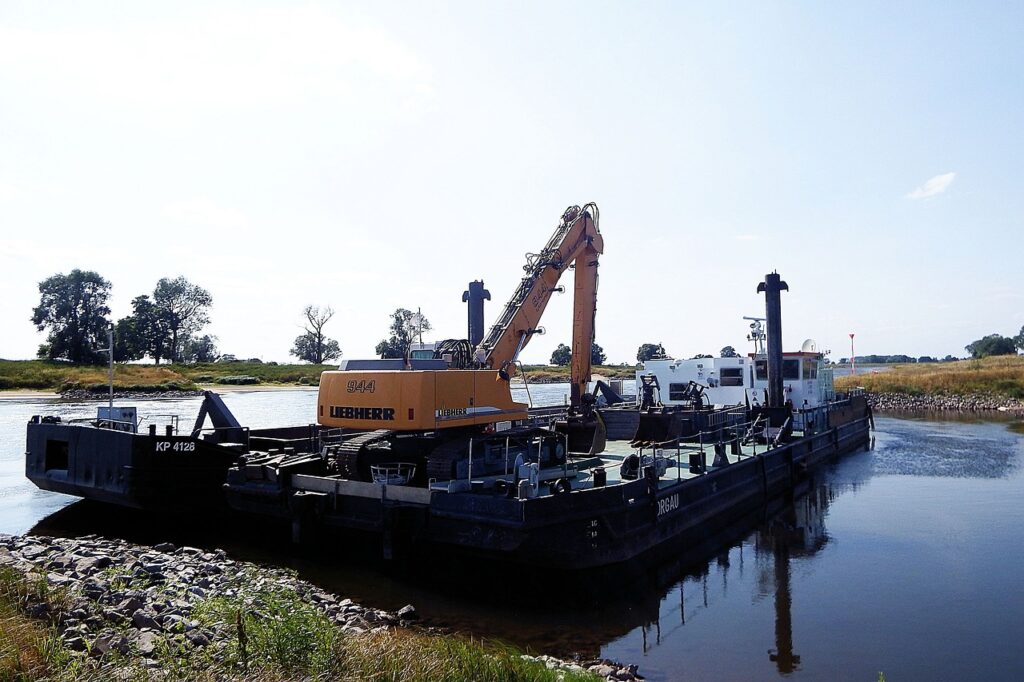
Environmental impact studies
Environmental studies can be carried out at several levels, depending on the legal procedures. The environmental aspects of small dredging projects can be done by means of an Initial Environmental Evaluation (IEE). The IEE contains a brief statement of key environmental issues, based on readily available information, and is used in the early (pre-feasibility) phase of project planning. The IEE also suggests whether in-depth studies are needed. If required, the IEE may be followed by a full EIA (Environmental Impact Assessment) at a later stage. Big dredging projects are likely to require a complete EIA study. The start of an EIA is the production of a starting document, which will describe the project, the key environmental and legal aspects. Based on the defined guidelines the EIA can be prepared. Both the starting document and the EIA reports have to be open for the public.
Ecological surveys
An ecological survey is a very essential item for environmental impact studies. The survey will be carried out to ensure that the most sensitive ecological areas, like coral reefs, sea grasses, nursery areas, benthic communities, fishing and aquaculture sites, near the dredging and the reclamation areas will be identified and indicated on a map. In addition, communication with the local fishermen and NGO’s will also provide extra information.
Environmental aspects of Dredging
The key environmental aspects of dredging, reclamation and disposal are: the removal of bottom materials, re-suspension (turbidity), distribution and sedimentation of the sediments. During reclamation projects marine habitats will be changed into land habitats. Dredging projects may have effects on water quality, marine ecology (habitats and marine organisms), fisheries, birds, port operations and navigation, coastal hydraulics and coastline stability.
Mitigating and compensation measures
- RSL has a very wide experience regarding mitigating and compensation measures, including:
- The selection of the best sand mining areas
- Eco-efficient surface dredging
- Reduction and limitation of turbidity and sedimentation levels
- Reduction of overflow losses
- Excluding sensitive areas and certain time periods
- Use of silt screens
- Monitoring relevant ecosystems during the project
- Cleanup of corals
- Recovery of habitats
Environmental monitoring program
Based on the defined information needs, the locations of the sensitive ecological areas and the dredging methodology, the environmental monitoring plan will be developed. This plan will include the monitoring locations, the frequency of the monitoring works, the items to be measured and the required equipment.
Environmental management plan
The dredging and the reclamation works will influence a variety of environmental aspects. Therefore an EMP (Environmental Management Plan) will be developed before the start of the works. The plan will contain the evaluation of the most significant environmental effects and will define adequate mitigating measures to protect the sensitive areas. Aspects which will
be included in the EMP are:
- Measures to prevent the introduction of alien species
- Minimizing turbidity to prevent damages to the corals, sea grasses and
benthic communities - Using additional appropriate mitigating measures as presented in the IEE
or EIA - Presenting a correct waste management system